
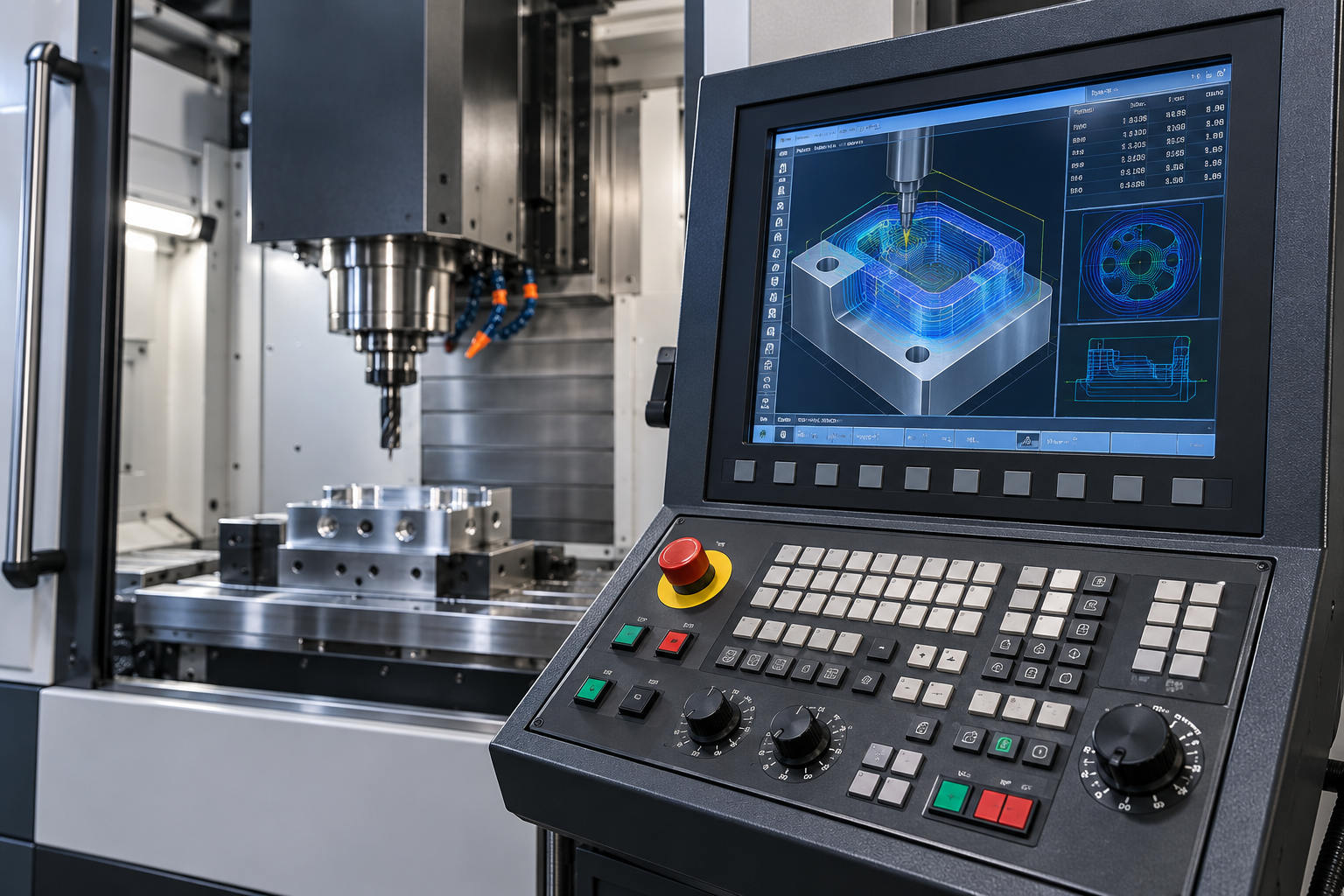
CNC Controller Integration
Bring control and motion together
CNC controller integration connects the operator interface, motion control, spindle and machine input/output functions so they operate as a coordinated system. It is relevant when a machine needs a new controller, when existing controls have become difficult to maintain, or when additional functions must be incorporated into the machine.
The work begins with the machine configuration: axis count, motor and drive arrangement, feedback devices, spindle requirements, tool-changing functions and available electrical documentation. The integration plan must account for component compatibility and the way operators use the machine. Controller selection and supported features are confirmed for each application rather than assumed from the machine type alone.
How we can help
Control-system assessment
Review the existing controller, servo and spindle interfaces, available I/O and electrical drawings.
PLC and machine sequence
Define the required logic for auxiliary functions such as lubrication, coolant, clamping and tool-change interfaces.
Parameters and motion checks
Configure the agreed controller and drive settings, then check homing, travel limits and commanded movement.
Operator handover
Review the operating interface, alarms and backup requirements with the customer’s technical team.
Typical requirements we support
- CNC turning machines and machining centres
- Controller replacement on existing machines
- Control integration for rebuilt or modified equipment
Frequently asked questions
Can the existing servo motors and drives be retained?
This depends on their condition, feedback system and compatibility with the proposed controller. We review the available specifications before confirming the scope.
What is checked during commissioning?
Checks can include axis movement, reference return, spindle operation, I/O signals, machine sequences and agreed interlocks. The final test plan depends on the machine and integration scope.
What to share with us
These details help us understand your requirement and plan the next step.
- Machine make, model and axis configuration
- Existing controller and drive details
- Current faults or required functionality
